The loss of a loved one is a difficult time, but the legal hurdles that follow can complicate the grieving process. When a person dies without leaving a Will, transferring their movable assets—such as bank deposits, shares, mutual funds, and debts—requires a specific legal mandate. A Succession Certificate is a document granted by a Civil Court to the legal heirs of a deceased person, authorizing them to inherit and manage these assets. At Rainbow Legal Service, we provide expert legal assistance for obtaining Succession Certificates in Delhi and Gurgaon. We navigate the complex procedures of the District Court, from filing the petition to the final decree, ensuring that your family's financial legacy is secured without unnecessary litigation or delay.
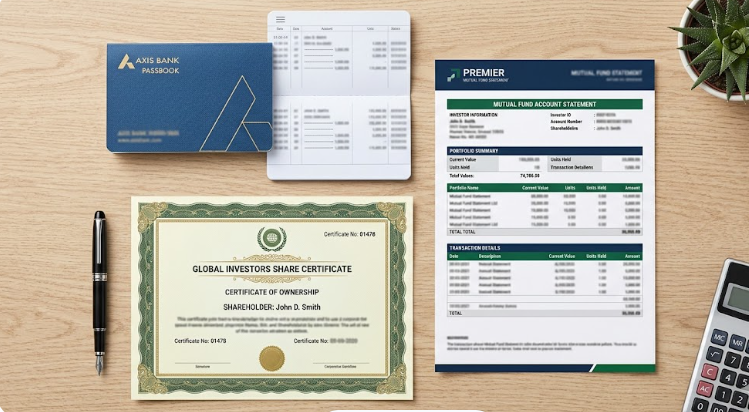
A Succession Certificate is a certificate granted by a competent court (usually the District Court) under the Indian Succession Act, 1925. It establishes the authenticity and validity of the heirs of a deceased person and confers upon them the right to inherit the debts and securities of the deceased. It serves as a protective shield for debtors and financial institutions, ensuring they are discharged of liability when they pay the amount to the certificate holder. Unlike a Legal Heir Certificate, which is issued by revenue authorities for limited purposes, a Succession Certificate has broader legal standing for movable assets.
The primary purpose of a Succession Certificate is to facilitate the transmission of movable property. This includes: Bank Accounts: Savings, Fixed Deposits, and Lockers. Financial Instruments: Shares, Debentures, Mutual Funds, and Bonds. Provident Funds: EPF and PPF claims. Other Debts: Money receivable from others. It is crucial to note that a Succession Certificate is generally not issued for immovable property (Land or House). For property transfer without a Will, one typically needs a Legal Heir Certificate or a Letter of Administration. We help clients identify the correct legal instrument for their specific assets.
This is a common source of confusion. Issuing Authority: Legal Heir Certificate is issued by the Tehsildar/SDM (Revenue Dept). Succession Certificate is issued by a Civil Judge (Judicial Court). Scope: Legal Heir Certificate is often used for property mutation, pension, and government job benefits. Succession Certificate is mandatory for claiming debts and securities from banks and companies. Validity: A Succession Certificate is considered a higher form of evidence and is accepted by all banks and financial institutions across India. We advise clients on which document is legally sufficient for their needs to save time and money.
The choice between these two depends on the existence of a Will. Probate: Required if the deceased left a valid Will (Testate Succession). It proves the Will's authenticity. Succession Certificate: Required if the deceased did not leave a Will (Intestate Succession). Applying for the wrong decree can lead to rejection. We analyze the estate documents to determine if you need to file for Probate or a Succession Certificate.
Under the Indian Succession Act, any person who claims to be a beneficiary of the deceased's property can apply for a Succession Certificate. This typically includes the spouse, children, and parents of the deceased. The applicant must have a "sufficient interest" in the estate. If there are multiple heirs, they can file a joint petition, or one heir can file and others can consent. We help structure the petition to ensure all rightful heirs are represented.
The application must be filed in the court of appropriate jurisdiction. Under Section 371 of the Indian Succession Act, the District Court within whose jurisdiction the deceased resided at the time of death has the authority to grant the certificate. If the deceased lived in Gurgaon, the petition goes to the District Court in Gurgaon. If they lived in Delhi, it goes to the concerned District Court (e.g., Tis Hazari, Saket, Karkardooma). We determine the correct jurisdiction to prevent technical dismissals.
Obtaining a Succession Certificate is a judicial process. It involves: Drafting the Petition: Preparing the legal application. Filing: Submitting the petition with court fees. Notice: Court issuing notices to respondents. Publication: Newspaper advertisement for public objections. Evidence: Filing affidavits and documents. Decree: Final order granting the certificate. We manage this entire lifecycle, keeping the client informed at every stage.
The petition is the foundation of the case. It must contain detailed information: the time of death of the deceased, the ordinary residence of the deceased, the family tree and relationship of the applicant, the list of assets and their estimated value, and the absence of any Will. We draft comprehensive petitions that satisfy all requirements of Section 372 of the Act, ensuring the court accepts the file on the first submission.
Unlike administrative documents, obtaining a Succession Certificate involves significant court fees. The fee is calculated on an Ad Valorem basis (percentage of the value of the estate). This fee varies by state (Delhi vs. Haryana) but is capped at a maximum limit. We provide a precise calculation of the court fees and stamp duty payable, ensuring the correct challans are generated. We also advise on the valuation of assets to ensure compliance.
If there are other legal heirs who are not applicants (e.g., a sibling who lives abroad), the court requires that they be served a notice. This ensures they are aware of the proceedings and have a chance to contest if they wish. We manage the service of notices via registered post or process servers, fulfilling the court's procedural requirements.
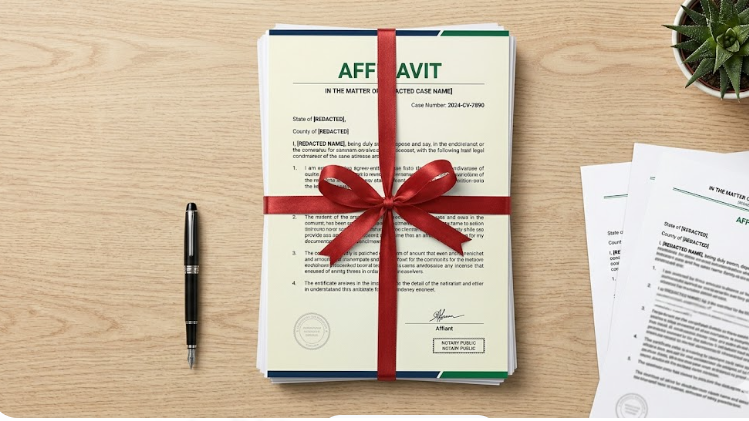
Once the notice period is over (usually 45 days from publication), the applicant must file an Affidavit of Evidence. This document testifies to the facts stated in the petition (death, relationship, assets). We prepare the affidavit and ensure all supporting documents (Death Certificate, ID Proofs, Asset Statements) are properly indexed and filed as evidence.

If no objections are received and the judge is satisfied with the evidence, a decree is passed granting the Succession Certificate. The court issues a certified copy of the decree. This document acts as the title deed for the movable assets mentioned. We immediately obtain certified copies and deliver them to the client, marking the successful conclusion of the case.
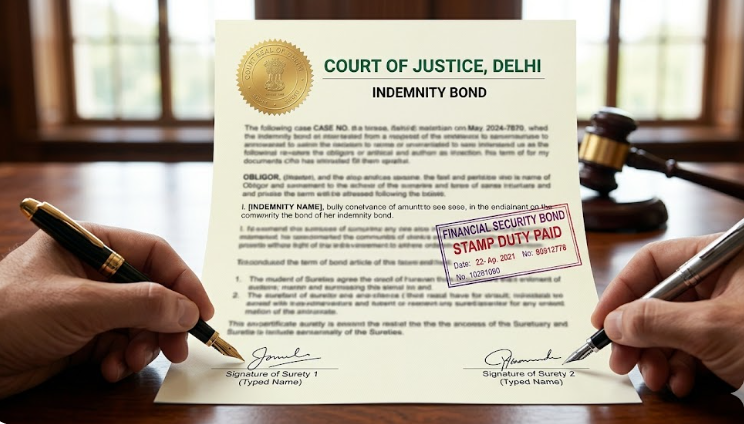
Under Section 376 of the Indian Succession Act, the court may require the applicant to provide a Bond with one or more Sureties. This is a security measure to ensure that if someone else proves a better title later, the certificate holder can refund the amount. We help arrange the sureties (guarantors) and draft the bond format required by the court registry.
To file a strong petition, we require: Death Certificate: Original copy. Identity Proofs: Aadhaar/PAN of all heirs. Relationship Proof: Birth certificates/Marriage certificate. Asset Proof: Bank statements, DP statements, FD receipts. Residence Proof: Of the deceased and the applicant. No Objection Certificates (NOCs): From other heirs (if applicable). We verify this dossier to ensure no document is missing.
A Succession Certificate is a judicial order and requires due process. It typically takes 5 to 7 months from filing to the final decree, depending on the court's schedule and whether objections are raised. We expedite the process by ensuring prompt newspaper publications and timely filings, avoiding procedural delays that can extend the timeline.
Many NRIs inherit assets in India but cannot be physically present for court proceedings. We assist NRIs by drafting a Power of Attorney (POA) that allows a relative or our representative to sign documents on their behalf in court. We handle the attestation of the POA and manage the entire case in India, keeping the NRI client updated via digital communication.
Sometimes, legal heirs dispute the share of assets or the validity of the applicant's claim. This turns the matter into a Contested Suit. We have experienced litigation attorneys who represent clients in these disputes, presenting evidence and arguments to protect your rightful share of the inheritance. We strive for settlement via mediation to save costs, but are prepared for trial.
A Succession Certificate is not final in perpetuity. Under Section 383, it can be revoked if it is found to have been obtained fraudulently, or if it is subsequently discovered that the deceased left a valid Will. We assist parties in filing for revocation or defending against such claims, ensuring justice is served in cases of fraud or newly discovered evidence.
A Succession Certificate is valid for a specific period as ordered by the court, often requiring renewal or extension if not utilized within that time (though usually valid until revoked). We assist in applications for Extension of Validity if the estate administration takes longer than anticipated, ensuring your authority to manage assets remains active.
If you need to use the Succession Certificate in a foreign country (e.g., to claim assets abroad or for visa purposes), it must be Apostilled or attested by the Ministry of External Affairs. We provide end-to-end Apostille services, getting the certificate authenticated by the SDM, Home Department, and MEA, making it valid internationally.
Applicants often face delays due to: Wrong Jurisdiction: Filing in the wrong court. Undervaluation: Declaring lower asset value to save court fees (can lead to fraud charges). Excluding Heirs: Failing to mention all legal heirs, leading to revocation. Asset Type Error: Applying for immovable property (which requires a different deed). Our consultancy ensures these mistakes are avoided before the file is drafted.
Litigation Expertise: We are not just agents; we are legal professionals capable of handling court procedures. Transparent Pricing: Fixed quotes for drafting, filing, and appearances. Holistic Support: From newspaper ads to bond arrangements, we handle the nuances. Compassionate Service: We understand the emotional weight of inheritance and handle your case with sensitivity.
© 2025 All Rights Reserved
Created with ❤️ Trusted by 🇮🇳 India’s local business community.
Get 10x digital growth and business success in India with seospidy.com